
Indoor LED screen display :How to choose LED screen display
Indoor LED displays have become the preferred choice for conference rooms, shopping malls, exhibition halls, home theaters, churches, and many other settings thanks to their high-definition image quality, vibrant colors, and easy installation. With so many brands and models available on the market, the following nine key insights will help you choose the right indoor LED display with confidence.
1. What is indoor LED screen display ?
2. Advantages of Indoor LED Displays
3. How to choose good quality indoor LED screen display ?
4. How to control the indoor LED screen display?
5. How to installation the indoor LED screen display?
6. What is Trends of the Indoor LED Screen display?
7. Indoor LED Screen display Applications
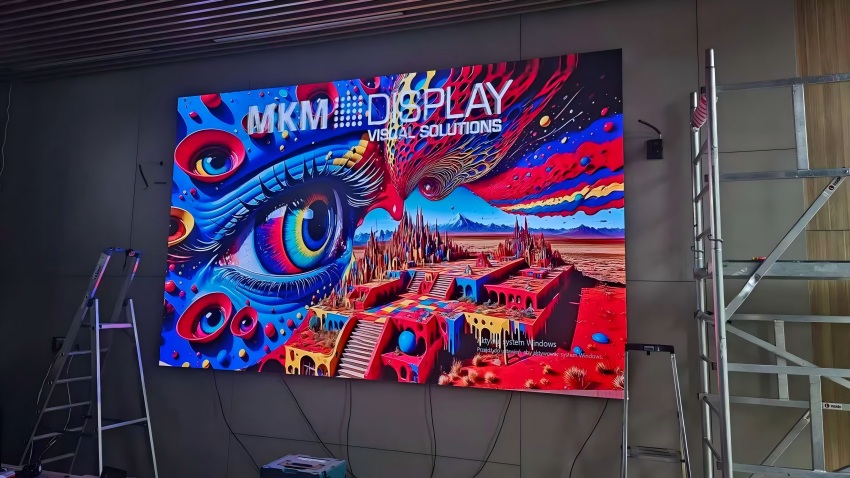
1. What is indoor LED screen display?
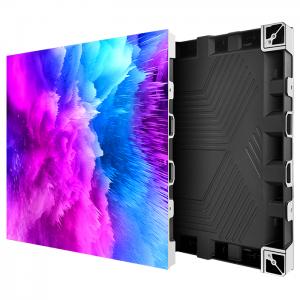
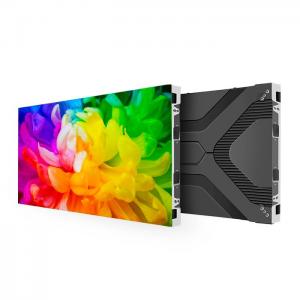
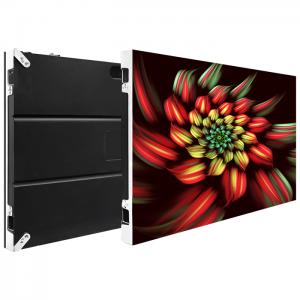
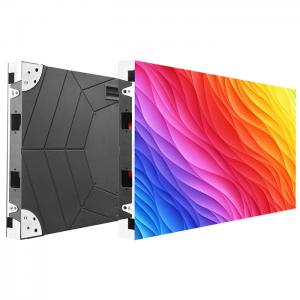
As the name suggests, an indoor LED display is designed specifically for indoor environments. Its working principle is based on arranging high-brightness LED lamps in a precise and orderly pattern on a PCB board, while the back of the PCB is equipped with driver ICs and other electronic components. Through accurate control by the LED display system, the indoor LED screen delivers delicate, high-quality visual performance. To help you understand it better, we explain the key points below.
1.1 Brightness Level
Indoor LED displays are typically installed in indoor environments, where a brightness level of around 600 cd/m² is commonly used. For special applications or areas with stronger ambient light, we can customize higher brightness levels—ranging from 1000 to 1500 cd/m²—to ensure an optimal viewing experience.
1.2 pixels pitch
Because indoor LED displays require higher image quality, smaller pixel pitches are typically used for indoor applications. Pixel pitch refers to the distance between two adjacent LED pixels. The smaller the pixel pitch, the sharper, more detailed, and higher-resolution the image will be. For indoor environments, models below P4 are commonly selected. Typical indoor pixel-pitch options include P4, P3.076, P2.5, P2.0, P1.86, P1.53, P1.25, P0.9, and P0.6.
1.3 Protection rating
Indoor LED displays typically feature an IP31 protection rating. For special applications requiring enhanced moisture or water resistance, we can apply nano-coating technology to achieve a higher waterproof level. Alternatively, GOB (Glue on Board) technology can be used to provide even stronger protection and durability.
1.4 Cost
The cost of an LED display depends on factors such as materials, resolution, and screen size. Indoor LED displays tend to be more expensive because they require a higher number of LED lamps. Likewise, indoor screens with higher resolution also come at a higher price. Since each customer’s application scenario and requirements vary, the final cost will differ accordingly.
2.Advantages of Indoor LED Displays
Indoor LED displays offer a wide range of benefits that make them an ideal choice for modern indoor environments. Their advanced technology and flexible design allow them to deliver superior performance across various applications, from business to entertainment. Key advantages include:
2.1 High Resolution and Image Clarity
Indoor LED displays feature smaller pixel pitches, which provide higher image quality and meet the demands of detailed visuals. They are also ideal for photography and videography. Equipped with high-refresh-rate driver ICs for indoor use, these displays deliver a smoother viewing experience and produce clearer results when captured on camera.
2.2 Vibrant Colors and Excellent Brightness
LED pixels feature high brightness and high contrast, enabling indoor LED displays to present vibrant and colorful images even under various indoor lighting conditions. The high contrast also ensures finer, more detailed visuals, allowing these displays to adapt seamlessly to a wide range of indoor environments.
2.3 Seamless Splicing and Flexible Sizing
The modular design of indoor LED displays allows for seamless splicing and adapts to a variety of installation sizes. Whether for small conference rooms or large exhibition halls, these displays can be easily configured to meet different spatial requirements.
2.4 Wide Viewing Angle
Indoor LED displays offer ultra-wide viewing angles, ensuring that every audience member can enjoy high-quality visuals. With a maximum viewing angle of up to 160°, the screen allows more flexibility in positioning and accommodates a larger number of viewers.
2.5 Slim, Lightweight Design
The ultra-thin design and lightweight, integrated die-cast aluminum structure make indoor LED displays slim, lightweight, and aesthetically pleasing. Their reduced weight lowers the load requirements on installation sites and helps save on labor costs.
2.6 Energy Efficiency
Indoor LED displays use energy-efficient LED pixels, combined with well-designed power-saving circuits and energy-efficient driver ICs and power supplies. This ensures not only lower energy consumption but also stable and reliable operation.
3.How to choose good quality indoor LED screen display ?
Choosing a high-quality indoor LED display is one of the most important steps in ensuring the success of your events and business. The following key factors should be taken into consideration:
3.1 Display Performance:
A high-quality indoor LED display should offer high resolution, high contrast, high refresh rate, and a wide color gamut. The LED chips should have a narrow wavelength range to ensure excellent color consistency across the screen. With these features, the display can adapt to various indoor environments and deliver a superior viewing experience.
3.2 Reliability and Stability:
Since indoor LED displays are often installed in confined spaces, they require high-quality electronic components and precise, well-designed circuitry. These features help reduce heat generation and improve heat dissipation, ensuring more stable and reliable long-term operation.
3.3 Energy Efficiency and Environmental Protection:
Indoor LED displays are long-term operating devices, so the compatibility of components and the layout of the circuitry must be carefully optimized. By selecting efficient components and using smart circuit designs, indoor LED displays can operate with lower power consumption, making them more energy-saving and environmentally friendly.
3.4 Maintenance and Management:
During daily operation, the modular design of indoor LED displays helps reduce the likelihood of failures and makes maintenance more convenient. Each electronic module can be replaced independently, allowing for easier management, faster servicing, and more efficient use of the indoor LED display system.
3.5 Brand and Service:
Choosing a reputable brand and a trusted LED display manufacturer is the best guarantee of obtaining a high-quality LED display and reliable after-sales support. A professional LED display manufacturer possesses extensive experience in production, assembly, installation, and system calibration, ensuring superior product quality and an excellent user experience.
3.6 Adaptability and Flexibility:
Indoor LED displays need to support a wide range of input signal sources, offering multiple input options to accommodate different installation environments and application scenarios. They should also provide various customization possibilities to meet personalized project requirements and ensure seamless integration in any indoor setting.
3.7 Cost-Effectiveness and Pricing:
While price is an important factor, it should not be the only criterion when selecting an indoor LED display. It is essential to evaluate product quality, performance, energy consumption, service, and overall value. By considering all of these aspects, you can choose an indoor LED display that fits your budget while offering the best cost-performance ratio.
4.How to control the indoor LED screen display?
Controlling an indoor LED display requires the coordinated operation of both hardware and software. This ensures the screen can smoothly play videos, images, text, and real-time content. Below are the main methods and steps for controlling an indoor LED display:
4.1 Sending Card (Controller)
The sending card is installed in a computer or media player. It sends video signals to the LED screen.
Functions include:
Transmitting video/audio signals
Setting screen parameters (resolution, brightness, color)
Managing content playback
Popular brands: Novastar, Colorlight, Linsn
Receiving cards are installed inside the LED cabinet or module.
They:
Receive signal from the sending card
Drive each LED module to display the correct image
Ensure stable performance
4.3 Video Processor
A video processor is used when you need multiple inputs or advanced display control.
It supports:
HDMI / DVI / DP / SDI input
Switching between sources
Scaling the image to match screen resolution
Splitting or combining screens
Great for conferences, events, broadcasting, and exhibitions.
4.4 Control Software
LED control software allows you to upload content and configure the display.
Functions include:
Sending videos, images, and text
Scheduling playlists
Adjusting brightness
Setting screen mapping and screen layout
Common software:
Novastar NovaLCT, ViPlex
Colorlight LEDVision
Linsn LEDStudio
Some indoor LED screens can run content without a computer.
You can upload content via:
USB flash drive
Wi-Fi
Mobile app
Cloud platform
Best for:Retail ads
Small indoor screens
Menu boards
This method uses a computer to output real-time content.
Ideal for:
Live events
Conferences
Stage backgrounds
Monitoring centers
Advantages:
Zero-latency playback
Real-time content switching
Remote content upload
Remote monitoring (temperature, power, brightness)
Real-time fault alerts
Often used in:
Shopping malls
Chain stores
Museums
Smart cities
To control an indoor LED screen, you typically need:
Sending card → sends the signal
Receiving card → displays the signal
Video processor (optional) → handles input and scaling
Control software → manages content and settings
Asynchronous or synchronous system depending on your usage
For a detailed demonstration of indoor LED display operation, you can watch this video link.
https://www.youtube.com/watch?v=M8yQ4A7IOko&t=31s
5.How to installation the indoor LED screen display?
Installing an indoor LED screen display requires proper planning, the right tools, and a clear understanding of the installation environment. Whether you are setting up an LED display in a conference room, shopping mall, church, or exhibition hall, choosing the correct installation method is essential for safety, stability, and long-term performance.
This guide explains how to install an indoor LED screen display with detailed steps and professional recommendations.
Before installation, assess the space where the indoor LED screen will be placed. Consider:
Step 1: Viewing distance and choose the right pixel pitch
Step 2: Lighting environment to determine brightness
Step 3: Wall structure or truss structure for load-bearing capacity
Step 4: Screen size and aspect ratio requirements
Step 5: Power supply and network connection availability
A proper assessment ensures smoother installation and better visual performance.
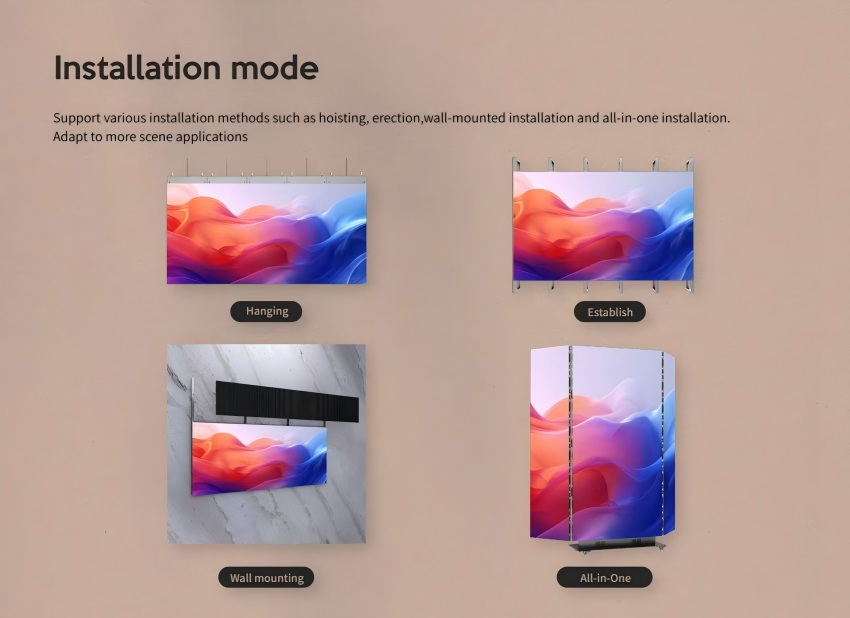
Indoor LED displays support multiple installation methods depending on the application. Common methods include:
Suitable for conference rooms, retail stores, monitoring rooms
Requires a strong load-bearing wall
Creates a clean, flush appearance
Ideal for exhibition halls, stage events, and showrooms
Installed using hanging bars or truss systems
Requires safety wires and certified hardware
Used for rental screens, temporary events, exhibitions
Flexible and movable
No wall structure required
For high-end conference rooms, shopping malls, and commercial centers
Creates a seamless and professional appearance
Requires precise structural preparation
To safely install an indoor LED screen, prepare professional tools such as:
Electric drill and screwdrivers
Leveling instruments
Steel frame or mounting brackets
Power distribution units
Network cables and signal cables
Safety harness (for hanging installation)
Using proper tools ensures accuracy and safety.
The installation begins with setting up a secure structure:
5.4.1 Mark the installation position according to the LED screen size
5.4.2 Fix the steel frame or mounting bracket to the wall or truss
5.4.3 Ensure the frame is level and square to avoid screen misalignment
5.4.4 Check load-bearing strength before installing LED cabinets
A strong frame guarantees long-term stability and safety.
Once the frame is ready, begin installing the LED display modules:
5.5.1 Mount the LED cabinets from the bottom to the top
5.5.2 Tighten all screws and ensure cabinets are aligned
5.5.3 Connect power cables and signal cables between cabinets
5.5.4 Check cabinet flatness during installation
Proper alignment prevents visible seams and ensures a smooth display surface.
5.6.1 Indoor LED screens require stable power and signal input:
5.6.2 Connect each cabinet to the main power source
5.6.3 Use quality network cables to connect sending card → receiving cards
5.6.4 Double-check grounding and electrical safety
5.6.5Ensure power supply matches the required voltage
5.6.6 Reliable connections ensure safe operation and stable display performance.
After the hardware installation, configure the software:
Open the LED control software (Novastar, Colorlight, Linsn, etc.)
Set screen parameters:
Resolution
Brightness
Refresh rate
Color calibration
Map the cabinets correctly
Test the screen with images and videos
Proper configuration ensures optimal visual quality.
Perform a full inspection before final use:
Check for dead pixels
Verify brightness and contrast
Inspect cabinet seams
Play test videos
Ensure stable operation without flicker
A final test ensures the LED display performs as expected.
To extend screen life and ensure stable performance:
Clean the LED modules regularly
Avoid high humidity and dust accumulation
Ensure proper ventilation for heat dissipation
Perform software updates when needed
Replace damaged modules promptly
Good maintenance improves both reliability and screen lifespan.
Installing an indoor LED screen display is a detailed process involving structural preparation, electrical setup, and system configuration. By following the steps above and choosing the right installation method, you can ensure a safe, stable, and high-quality LED display installation that delivers excellent visual performance for years to come.
6. What is Trends of the Indoor LED Screen display?
6.1 Technological Innovation Drives Product Upgrades
The LED display industry has made remarkable achievements in technological innovation, with new display technologies continuously emerging and steadily maturing. Among them, Mini LED and Micro LED technologies have become the core drivers of industry growth.
Mini LED backlight technology, which uses significantly smaller LED chips, enables more precise local dimming, greatly improving contrast, brightness, and color performance. It has been widely adopted in high-end TVs, monitors, laptops, and other premium display products.
Micro LED technology, with its self-emissive characteristics, offers ultra-high pixel density, faster response times, and an extended lifespan. Although it still faces key technical challenges such as mass transfer, Micro LED has already demonstrated enormous potential in large-format displays, wearable devices, and other emerging application fields.
Additionally, the increasing adoption of advanced packaging technologies such as MIP and COB has enhanced the reliability and stability of LED displays while reducing production costs. These technological advancements collectively support continuous product upgrades and drive the overall progress of the LED display industry.
The application scope of LED displays continues to expand. Beyond traditional outdoor advertising and indoor commercial displays, LED screens are now widely used in education, healthcare, transportation, smart home systems, and virtual production. Their high brightness, excellent color performance, and flexible installation make LED displays suitable for a variety of modern digital environments.
In the education sector, high-definition and large-format LED displays, combined with intelligent interactive features, provide teachers with clearer and more engaging visual tools. This greatly enhances teaching effectiveness and improves the overall learning experience for students.
In medical environments, LED display screens are used for surgical imaging, medical data visualization, patient information inquiry, and more. Their high clarity and real-time capabilities support medical staff in making accurate and efficient decisions.
LED displays are widely used in traffic control centers, monitoring rooms, subway and bus stations, providing real-time transportation information. These displays help optimize traffic management and improve public travel guidance.
As a key interface for modern smart devices, LED displays allow users to easily view device status, access system information, and operate smart home equipment. This enhances the overall intelligence and convenience of home environments.
In virtual film production, LED video walls serve as realistic digital backgrounds, offering immersive environments for filmmaking. This technology not only improves scene realism but also increases shooting efficiency while reducing post-production workload.
The global LED display market continues to grow steadily, driven by economic recovery, technological advancements, and the rapid expansion of application fields. Although factors such as macroeconomic fluctuations and changes in the international trade environment have caused temporary slowdowns in certain years, the long-term outlook for the LED display industry remains strong.
As emerging markets gradually release new demand and traditional markets upgrade to higher-quality display solutions, the LED screen industry is expected to maintain sustained growth momentum. Increasing adoption across commercial, industrial, and public sectors will continue to expand market opportunities, providing a broad development space for LED display manufacturers worldwide.
7. Indoor LED Screen display Applications
Indoor LED displays are widely used thanks to their vivid colors, seamless splicing, easy installation, and simple operation. These advantages make indoor LED screens suitable for a wide range of environments and professional applications.
Below are several common application scenarios where indoor LED displays deliver exceptional performance:
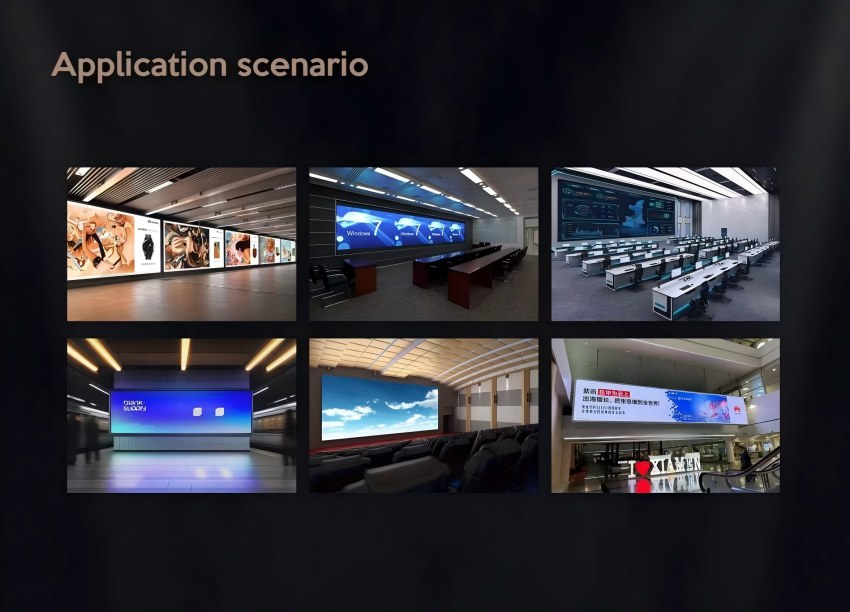
In modern conference rooms, fine-pitch indoor LED displays deliver a seamless and highly immersive visual experience, free from the black bezel lines commonly seen on traditional LCD video walls.
Conference rooms are essential spaces for all types of organizations—ranging from large corporations hosting major conferences to small institutions conducting regular meetings.
Compared with LCD splicing screens, LED displays offer superior continuity and clarity, making them ideal for presentations, video conferencing, data visualization, and collaborative discussions. The result is a more efficient and engaging meeting environment.
With the rapid growth in demand for large-format displays, fine-pitch indoor LED screens have become one of the most attractive commercial display solutions for showrooms and exhibitions. These high-resolution LED displays deliver outstanding visual performance, making them a preferred choice for museums, corporate showrooms, brand pavilions, product launch halls, and exhibition centers.
By presenting product information, corporate stories, promotional materials, and advertising content on a large, seamless LED screen, businesses can create a powerful visual impact that captures visitor attention instantly. Whether the goal is product promotion, brand awareness, interactive presentation, or immersive storytelling, indoor LED displays help elevate the overall exhibition atmosphere and achieve impressive marketing results.
Indoor LED video walls are essential in command and control centers for traffic management, security monitoring, emergency response, and industrial operations. These large-format displays provide real-time visualization of multiple data streams, enabling operators to monitor, analyze, and respond to critical situations quickly. High-resolution LED displays ensure that details such as maps, surveillance feeds, and status indicators are clear and easy to interpret, improving operational efficiency and decision-making accuracy.
In retail environments, fine-pitch indoor LED displays attract customers with vivid visuals, dynamic content, and seamless images. They are widely used for promotional campaigns, product launches, and brand storytelling, creating an engaging shopping experience. By displaying interactive advertisements, live product information, and seasonal promotions, retailers can enhance brand perception, boost sales, and improve customer engagement.
LED displays are increasingly used in classrooms, lecture halls, and training centers. With high resolution, bright colors, and large screen size, they offer teachers and trainers an interactive platform for visual demonstrations, multimedia lessons, and collaborative learning. By combining LED displays with smart interaction technologies, students gain a more engaging, immersive, and effective learning experience.
Indoor LED screens are ideal for hotel lobbies, conference halls, theaters, and entertainment venues, where they provide impressive visual experiences for guests. From digital signage and event information to ambient visuals and promotional content, LED displays enhance the aesthetic appeal and professional atmosphere, while delivering clear and vivid visuals even in well-lit indoor spaces.
In film production and virtual studios, LED video walls serve as dynamic backgrounds for live-action shooting. Their high brightness, seamless splicing, and accurate color reproduction allow filmmakers to create realistic scenes in-camera, reducing the need for post-production visual effects. This technology increases production efficiency, improves visual realism, and supports creative flexibility for studios and media producers.

Name: Sales
Mobile:+8613434491929
Tel:+8613434491929
Whatsapp:+8613717008357
Email:[email protected]
Add:Songke Innovation Valley, No. 12, Xunye Street, Songgang Street, Baoan District, Shenzhen